Physical Address
304 North Cardinal St.
Dorchester Center, MA 02124
Physical Address
304 North Cardinal St.
Dorchester Center, MA 02124

Architecture & Design
Architecture & Design
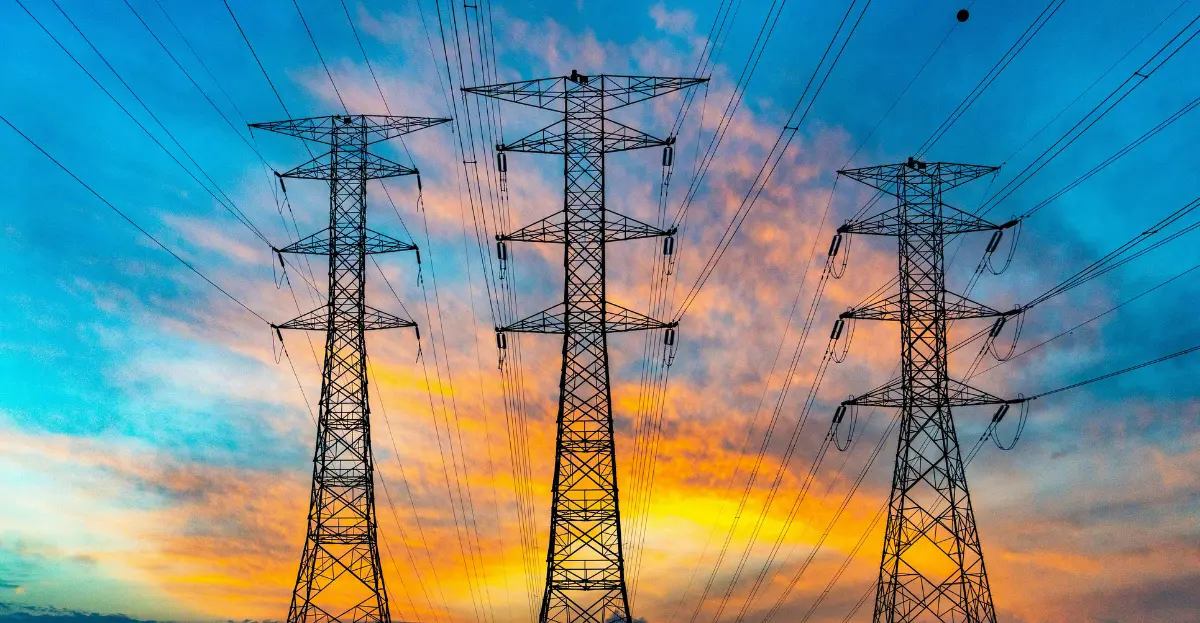
Many telecom and equipment sites in Indian cities are not on open ground but on the roof of an existing building. When a site power facility (rectifiers, batteries, distribution and cooling) is placed on a roof, the building itself becomes part of the design. The slab has to carry the load, the waterproofing has to survive the installation, and the people maintaining it need a safe way up. These are questions for the architect and the structural engineer as much as for the power supplier.
Battery cabinets are among the heaviest items on a rooftop site for their size, and the load sits on a small base frame. A roof slab designed for a residential terrace load may not carry it safely. Ask for the structural drawings of the building, or have a structural engineer inspect the slab, beams and columns. The usual solution is a steel frame that spreads the equipment load onto beams and columns rather than onto the middle of a slab panel.
Older buildings need extra care: cracks, exposed reinforcement, leaking terraces or earlier additions such as water tanks and solar panels all reduce the margin available. Record the existing loads on the roof before adding new ones.
Every bolt drilled through a terrace membrane is a future leak into the flat below. Equipment frames are better mounted on concrete pedestals or plinth blocks cast above the waterproofing, with the membrane dressed up around them. Keep the existing roof slope and rainwater outlets clear, and make sure frames and cable trays do not dam water against the parapet.
During early design reviews, assess a site power facility against the maintenance and operating model the owner can support. Rectifiers, batteries, distribution and environmental controls need a common availability and load-growth plan, and on a roof that plan has to fit the structure.
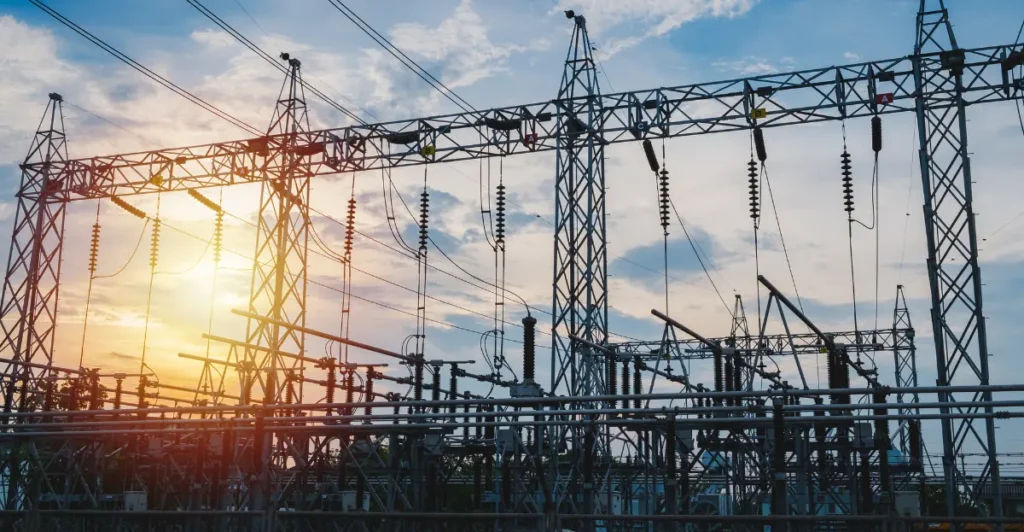
Batteries and modules have to reach the roof at installation and again at every replacement. Check whether the stair is wide enough, whether a lift reaches the terrace and what it can carry, or whether a crane or hoist will be needed. The route should not pass through private flats.
Parapet height, a lockable door to the terrace, and guarding around open roof edges protect maintenance crews and residents. Keep a clear working space in front of cabinet doors and away from the parapet edge.
Power from the utility meter at ground level has to reach the roof. Use an existing service shaft where there is one, with fire-stopping at every floor it passes. External cable runs along the facade need protection from sun and damage and should be agreed with the building society, since they affect the elevation.
A rooftop site needs a down conductor from the roof equipment to earth pits at ground level, bonded with the building’s existing lightning protection if it has one. Plan the route and the pit locations with the building owner, because the pits sit in shared ground such as a setback or parking area.
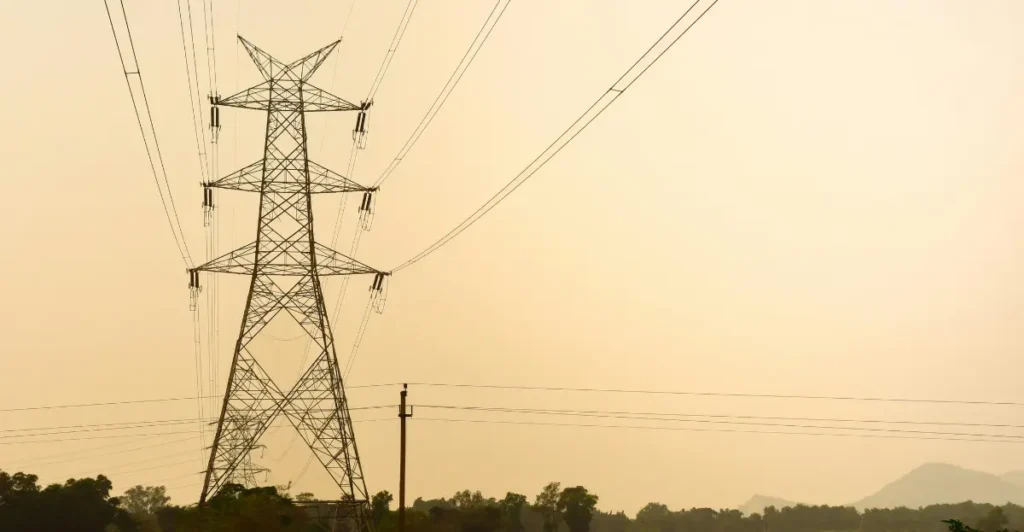
A dark RCC terrace under the summer sun gets far hotter than the air temperature, and heat shortens battery life. A light canopy over the cabinets, a reflective roof coating and enough space around heat exchangers for air to move can all reduce the load on the cooling system. Check the equipment derating curve against the hottest conditions on that roof, not a laboratory figure.
Rooftop sites usually depend on an agreement with the building owner or society. Make the structural assessment, waterproofing method, access arrangements and a reinstatement plan for the roof part of that agreement. Keep as-built drawings of frames, cable routes and earth pits with the site records so the next crew does not have to rediscover them.
When checking a site power facility, set performance conditions that can be verified after installation. Include the structural, waterproofing and access checks above in the handover.
For a related product and solution perspective, review material on site power facility alongside the required evidence for service, installation and performance.