Physical Address
304 North Cardinal St.
Dorchester Center, MA 02124
Physical Address
304 North Cardinal St.
Dorchester Center, MA 02124

Architecture & Design
Architecture & Design
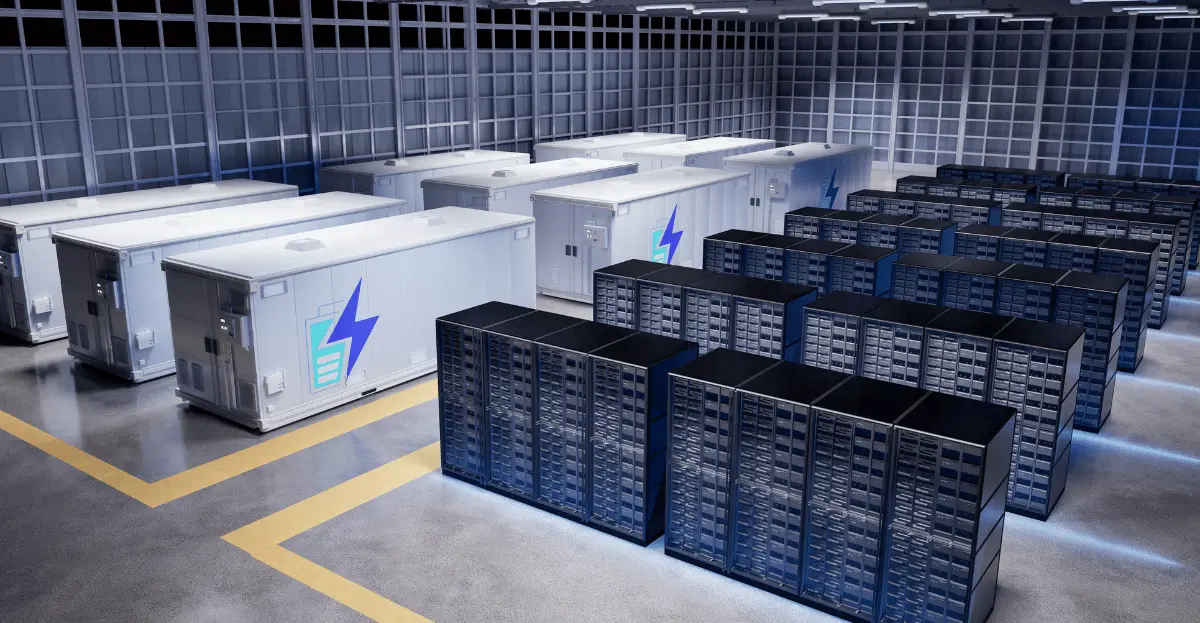
For a busy urban forecourt with several simultaneous users, equipment decisions must follow the required service and the conditions of the actual site. A modern EV charging site combines a utility connection, conversion equipment, dispensers, protection devices and software that coordinates the available power. The liquid-cooled ultra-fast charging architecture showcased by Huawei Digital Power separates site-level power conversion from vehicle-facing charging dispensers. In this context, EV charging station brings together specific components and controls rather than a single isolated device.

At a busy forecourt, one vehicle tapering its charge should not prevent the power system from allocating unused capacity to another compatible vehicle. Equipment ratings, control policies and the responsibilities of the operating team should therefore be aligned before commissioning. A design assumption should be documented when it cannot yet be confirmed by measurements.
The featured ultra-fast charging solution uses liquid-cooled dispensers to remove heat from high-current cables and connectors. The published product page cites an 800 A charging current under specified conditions; actual current is determined by charger configuration and vehicle acceptance limits.
High-power output is a coordinated process between the charger and the vehicle battery management system. Voltage negotiation, insulation monitoring and connector temperature signals influence the permissible current throughout a charging session.
A power-sharing matrix distributes available output among active charging dispensers. When one vehicle reduces its current as the battery fills, available power may be reassigned to another session, helping the site use its installed conversion capacity more effectively.
The connection agreement sets the maximum import capacity, while the installed DC units determine conversion limits. Both constraints have to be reflected in the control policy; exceeding the transformer rating cannot be solved merely by adding more charging connectors.
Protection normally spans upstream breakers, surge protection, ground-fault and insulation monitoring, emergency-stop circuits and safe isolation. Final hardware requirements depend on the local electrical code and the charger model, not a generic station diagram.
A charger can be electrically available but operationally unusable if communications, connector locks or payment integration fail. Monitoring should separate power-module alarms from interface and connectivity incidents to shorten troubleshooting time.
Operators can track energy delivered, session success rate, average occupancy and peak site demand. These indicators show whether conversion capacity and the number of bays match actual usage rather than an assumed charge-time benchmark.
These considerations show why EV charging station should be specified by its architecture, operating limits and interfaces. FusionCharge-type infrastructure is therefore a site-level system rather than a standalone plug. Its useful capability comes from coordinated conversion, thermal design, dynamic allocation and operation within electrical and vehicle limits. The final selection still depends on applicable standards, actual site conditions and model-specific documentation.